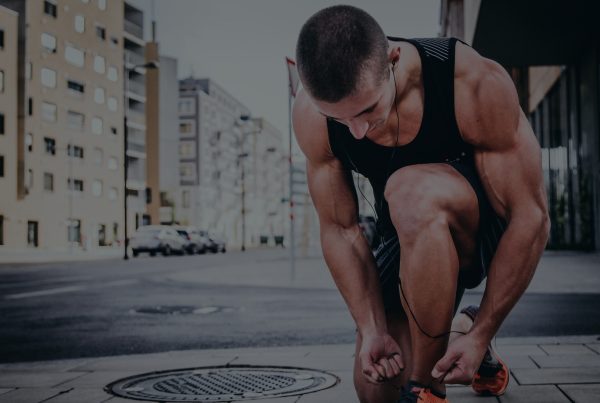

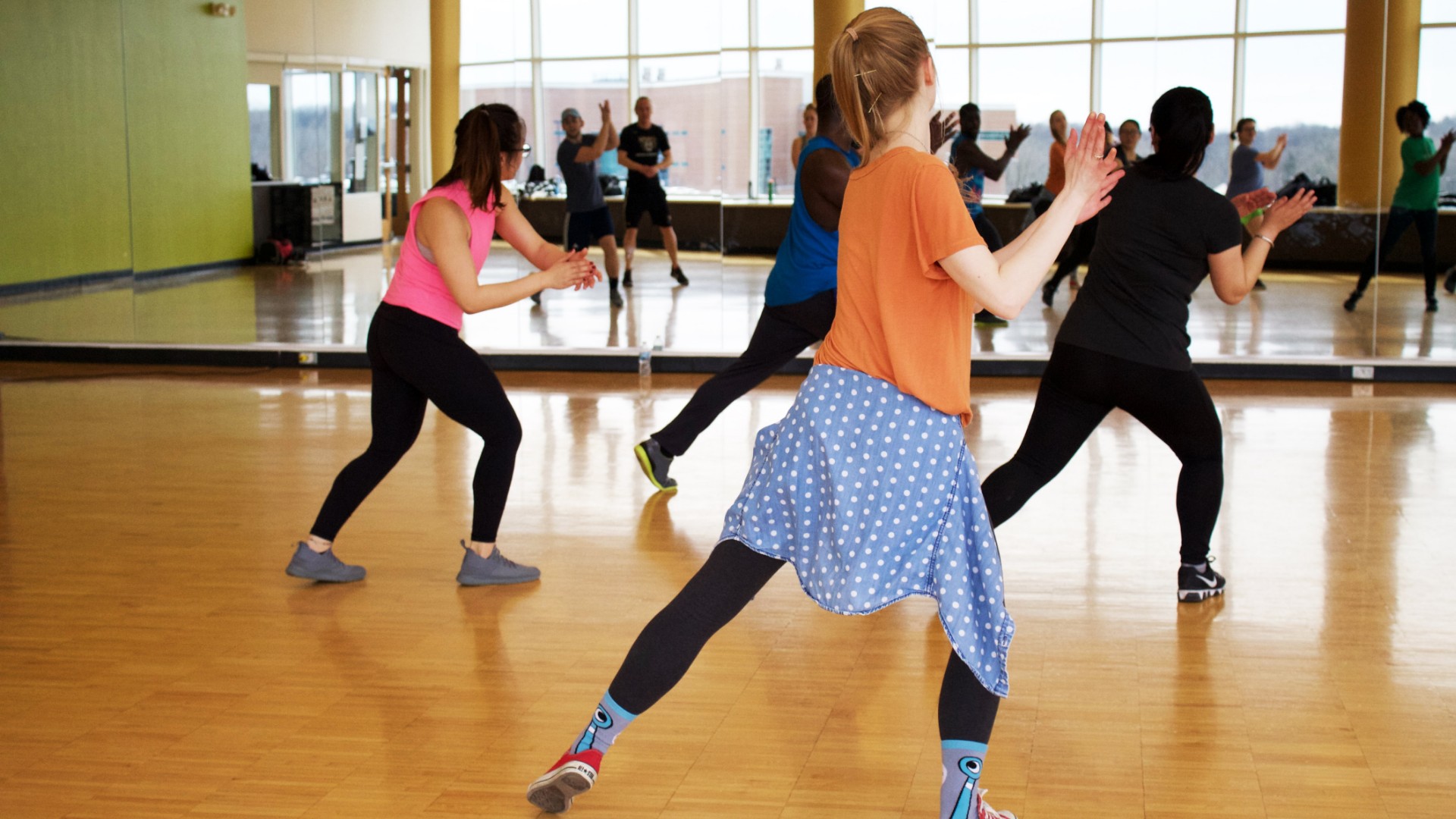

Fitness is a lifelong journey, and the exercise needs of our bodies change as we progress through different life stages. Whether you’re a young adult, in your middle years, or a senior, adapting your workouts to align with your life stage is essential for overall well-being. In this guide, we’ll explore how to tailor your fitness routine to embrace every age.
1. Young Adults (Ages 18-30): Laying the Foundation
Key Considerations:
- Building a strong fitness foundation.
- Incorporating a mix of cardiovascular exercise, strength training, and flexibility work.
Sample Workouts:
- High-intensity interval training (HIIT) for cardiovascular fitness.
- Compound exercises like squats and deadlifts for strength.
- Dynamic stretches for flexibility.
Tips:
- Prioritize form over heavy weights.
- Explore various activities to find what you enjoy.
- Establish a consistent workout routine.
2. Adults (Ages 30-50): Balancing Priorities
Key Considerations:
- Balancing fitness with career and family responsibilities.
- Focusing on maintaining muscle mass and flexibility.
- Incorporating stress-reducing activities.
Sample Workouts:
- Circuit training for time efficiency.
- Pilates or yoga for flexibility and core strength.
- Regular cardiovascular exercise for heart health.
Tips:
- Schedule workouts like appointments.
- Emphasize functional movements.
- Include activities that bring joy and reduce stress.
3. Middle-Aged to Older Adults (Ages 50 and Beyond): Prioritizing Joint Health
Key Considerations:
- Prioritizing joint health and injury prevention.
- Adjusting workout intensity and duration.
- Incorporating low-impact exercises.
Sample Workouts:
- Walking or swimming for cardiovascular health.
- Strength training with a focus on joint-friendly exercises.
- Static stretches for flexibility.
Tips:
- Listen to your body and adjust intensity accordingly.
- Warm up thoroughly before workouts.
- Consider incorporating balance and stability exercises.
4. Seniors (Ages 65 and Beyond): Maintaining Mobility and Independence
Key Considerations:
- Maintaining mobility and independence.
- Emphasizing exercises that support bone health.
- Incorporating activities that enhance cognitive function.
Sample Workouts:
- Tai Chi or gentle yoga for balance and flexibility.
- Bodyweight exercises for strength.
- Low-impact aerobic activities.
Tips:
- Focus on exercises that improve posture.
- Include activities that stimulate the mind.
- Prioritize joint-friendly movements.
Conclusion: Embracing Fitness Through Every Age
Fitness is a lifelong journey, and tailoring your workouts to your specific life stage is key to optimizing health and well-being. By recognizing the unique needs of each age group and adjusting your exercise routine accordingly, you can embrace fitness as a lifelong companion. Remember, the goal is not perfection but the continuous improvement and maintenance of your physical and mental well-being through every stage of life.